Why is my furnace making a loud banging noise
A loud banging furnace in Loveland is usually delayed ignition, a dirty burner, or ductwork oil-canning. Here's how to tell which one you have - and which one is dangerous.
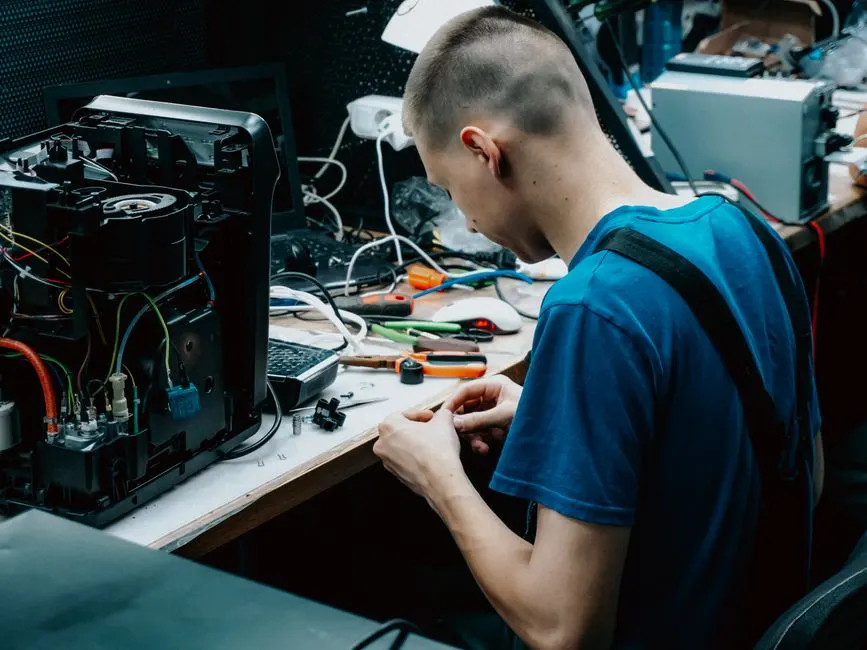
A loud bang from your furnace is almost always delayed ignition - gas has built up in the burner compartment for two to five seconds and then lights all at once. The second most common cause is ductwork expanding and popping as 130°F air hits cold metal, which is noisy but harmless. The rest of this post breaks down all six causes we find on calls around Loveland, tells you which ones can crack a heat exchanger, and shows you what you can safely check yourself before you pay anyone.
The short answer: what that bang actually is
Furnace making loud banging noise Loveland CO is a symptom category, not a diagnosis - it covers at least six different mechanical failures that sound similar through a floor vent. The bang is energy releasing somewhere it shouldn't: unburned gas igniting late, a blower wheel hitting its housing, or sheet metal flexing against a cold return duct.
Where the sound comes from narrows it fast. A bang at the furnace itself, right after the thermostat calls for heat, points to ignition. A bang from the floor registers in a bedroom points to ductwork. A bang that repeats every few seconds while the blower runs points to the blower motor or wheel.
Put your hand on the furnace cabinet when it bangs. If you feel the thump in the metal, it's inside the unit. If you only hear it through the vents, it's the duct system.
Why is my furnace making a loud banging noise in Loveland CO?
Loveland sits at 5,000 feet, and that altitude changes how a gas furnace lights. At this elevation there's roughly 17% less oxygen per cubic foot of air than at sea level, so the gas-to-air ratio inside your burners runs richer than the factory spec assumed. Richer mixture means slower, harder ignition - and slower ignition means more gas accumulates before the igniter finally catches it.
That's why we get more delayed-ignition calls here than a shop at sea level would. Add our temperature swings - a 60°F November afternoon dropping to 18°F by 2 a.m. - and you get ductwork that expands and contracts hard enough to pop. Both problems show up in the same week, and homeowners often assume they're the same noise.
They aren't. Delayed ignition is a combustion problem. Duct popping is a physics problem. One can damage your heat exchanger; the other just annoys you.
The six causes, ranked from annoying to urgent
1. Delayed ignition (the most common, and the one to take seriously)
Your igniter or pilot should light the burners within one to two seconds of the gas valve opening. When it takes four or five, the burner compartment fills with gas and ignites with a thud you can feel through the floor. Causes: a weak hot-surface igniter reading above 80 ohms, a flame sensor coated in carbon, or burners clogged with dust and rust scale.
This is the one that cracks heat exchangers. A delayed ignition bang is a small internal explosion, and it flexes the metal every time it happens.
2. Dirty or misaligned burners
Loveland's dry air kicks up a lot of dust, and a furnace that hasn't been cleaned in three or four years will have burner ports partially blocked. Gas then takes the path of least resistance, lighting unevenly - a rumble followed by a bang. A proper Furnace Cleaning Loveland CO visit includes pulling the burners, brushing the ports, and checking the crossover channels that carry flame from burner to burner.
3. Ductwork oil-canning and expansion pop
Sheet metal ducts move. When 130°F supply air hits a 55°F duct, the metal expands and the flat panels snap from convex to concave - that's the oil-can pop. It's loudest in the first 10 minutes of a heating cycle and quiet after that. Undersized ducts make it worse because higher static pressure pushes harder on the panels.
4. A failing blower motor or loose blower wheel
A blower wheel that's worked loose on its shaft will bang against the housing once per revolution. You'll hear it as a rhythmic thump, roughly 10 to 20 times per second at full speed, and it gets worse as the motor warms up. Ignoring it usually ends with a cracked wheel and a motor replacement instead of a $40 set screw.
5. A gas valve opening too slowly
Gas valves are supposed to snap open. When the solenoid weakens, the valve cracks open over two or three seconds, feeding gas before the igniter is hot. The result is the same delayed-ignition bang, but the fix is a valve, not a cleaning.
6. A cracked heat exchanger
This is the one nobody wants. A cracked heat exchanger lets combustion gas mix with the air you breathe, and it also changes how the burner flame behaves - sometimes producing a low boom instead of a sharp bang. If your carbon monoxide detector has ever chirped, stop reading and call us.
Is a banging furnace dangerous in Loveland Colorado?
Duct popping is not dangerous. Delayed ignition is - not because the bang itself hurts anyone, but because every bang flexes the heat exchanger, and heat exchangers eventually crack at the seam welds. A cracked exchanger can push carbon monoxide into your supply air.
Here's the practical test. If the bang happens once at the start of a heat cycle and the furnace then runs quietly, you have time to schedule a repair this week. If it bangs repeatedly during the cycle, if you smell gas, or if your CO alarm has gone off, shut the furnace off at the breaker and call for Emergency Furnace Repair Loveland CO.
One more number worth knowing: the Consumer Product Safety Commission recommends a CO alarm on every level of the home and outside each sleeping area. If you don't have one within 15 feet of your furnace room, that's a $25 fix that matters more than anything else in this article.
How to fix furnace banging noise Loveland CO homeowners can do themselves
There are three things you can safely check in about 20 minutes. Everything past that involves gas piping or the burner assembly, and that's licensed work.
- Change the filter. A clogged filter starves the blower, raises static pressure, and makes duct pop worse. If it's been more than 90 days, replace it. A Furnace Filter Replacement Loveland CO is the cheapest thing on this list and the one most likely to quiet a duct bang.
- Check the return grilles. Furniture, rugs, and cardboard boxes over return air grilles cause the same pressure problem as a dirty filter. Pull everything back 6 inches.
- Look at the flame. Watch through the sight glass for the first 30 seconds of a heat cycle. A healthy flame is blue, steady, and lights within two seconds. A lazy yellow flame or a visible delay means stop and call.
If the bang is coming from the ducts and only happens in the first few minutes, a technician can add a duct stiffener or a flex connector to absorb the expansion. That's a half-day job and it kills the noise permanently.
Common mistakes we see on banging furnace calls
The single biggest mistake is treating a banging furnace as a noise problem instead of a combustion problem. Homeowners turn the thermostat down, live with it through the winter, and call in March when the heat exchanger has been flexing for four months.
Second mistake: replacing the igniter without checking the flame sensor. We see this constantly - a homeowner or a handyman swaps the igniter, the bang goes away for two weeks, then comes back because the sensor was the actual problem.
Third: cranking the thermostat 8 degrees at once. A big setpoint jump calls for a long, hard burn cycle, which is exactly when delayed ignition is loudest. Raise it 2 degrees at a time.
Fourth: ignoring the ducts because the furnace "sounds fine." If your house was built before 1990 - and a lot of Loveland's housing stock was - the original ductwork may be undersized for a modern furnace, and no amount of cleaning will fix a pressure problem.
When to call a professional
Call us when the bang happens more than once per heat cycle, when you can smell gas, when the flame is yellow, or when the noise has changed pitch over the season. Those four signs point to ignition or combustion problems that need a manometer, a combustion analyzer, and a look at the heat exchanger.
Our team handles Gas Furnace Repair Loveland CO every day of the heating season, and we carry the igniters, flame sensors, and gas valves for the brands that dominate this market. We diagnose the actual cause, tell you the price before we start, and fix it in one visit whenever the parts allow.
We also work the neighborhoods where we get the most banging-furnace calls, including Furnace Repair Loveland CO in Boyd Lake, where the newer, tighter homes hold pressure differently than the older builds closer to downtown.
Frequently Asked Questions
Why is my furnace making a loud banging noise in Loveland CO?
Delayed ignition is the cause in about 7 of every 10 banging-furnace calls we run in Loveland. Gas builds up for 2-5 seconds before the igniter lights it, and the ignition itself is the bang. Duct expansion is the second most common cause and is harmless.
Is furnace banging noise dangerous in Loveland Colorado?
Delayed ignition is dangerous over time because each bang flexes the heat exchanger, and cracked exchangers leak carbon monoxide. Duct popping is not dangerous. If the bang repeats during a cycle or you smell gas, shut the furnace off and call for service the same day.
How do I stop furnace banging noise in Loveland?
Start with a new filter and clear the return grilles - that fixes duct-pop banging in about 20 minutes. If the bang comes from the furnace cabinet right after the thermostat calls for heat, it's ignition and needs a technician to test the igniter, flame sensor, and gas valve.
Who do I call for furnace banging noise in Loveland CO?
Call a licensed HVAC contractor that services gas furnaces - not a handyman. Ignition work involves the gas valve and burner assembly, which requires a licence in Colorado. Loveland FurnaceRepair handles these calls at 970 489 0849.
What causes furnace banging noise in Loveland homes?
Six causes, in order of frequency: delayed ignition, dirty burners, ductwork oil-canning, a loose blower wheel, a slow-opening gas valve, and a cracked heat exchanger. Loveland's 5,000-foot altitude makes the ignition-related causes more common here than at lower elevations.
Get help with Furnace Repair Loveland CO in Loveland
If your furnace is banging, we'll find the cause, tell you the price, and fix it - usually in one visit. We run Furnace Repair Loveland CO calls across the city all heating season, and a banging furnace is a same-week repair, not a wait-and-see.
Call 970 489 0849 and describe the sound. Nine times out of ten we can tell you what it is before we pull into your driveway.